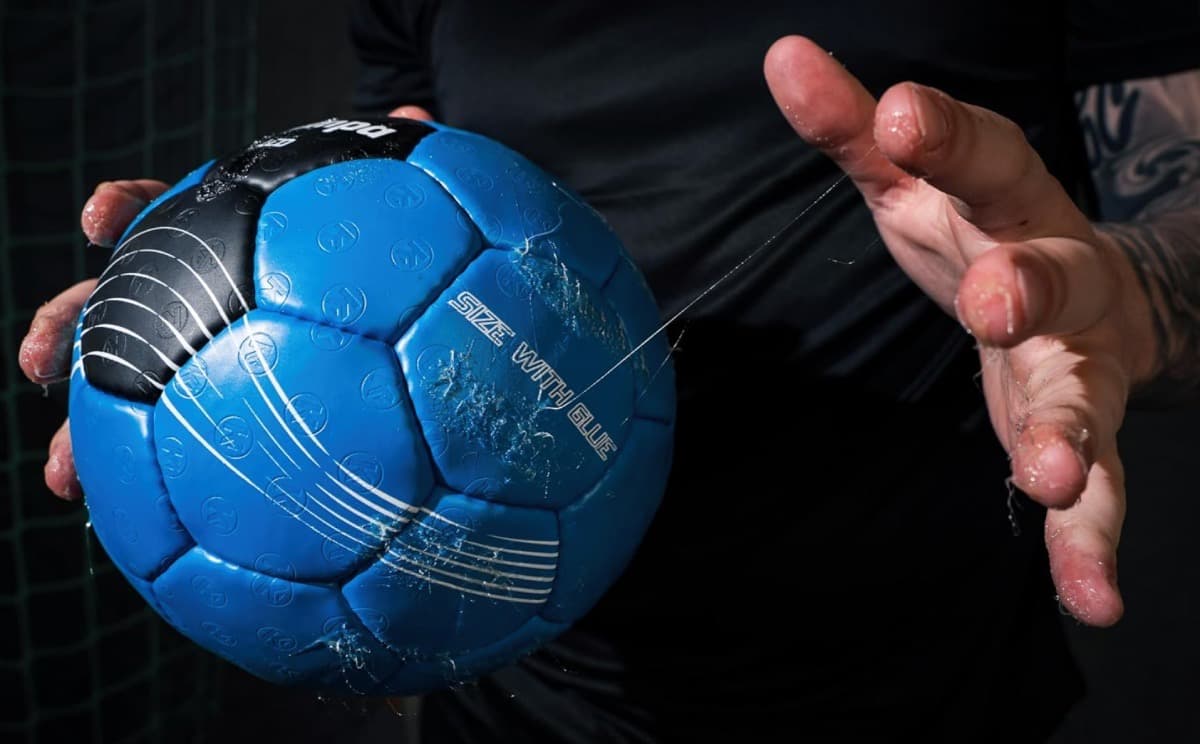

I know that what I am about to say is going to create controversy. I am against the glue. Yes, the resin. And mind you, I was never a big-handed player, but I struggle to understand why a sport played with a ball needs an external element to make it more attractive. Can you imagine anything similar in football, basketball or water polo?
And if on top of that this element means an extra cleaning cost for sports centres... sorry, I just don't see the point. But let me try to explain myself better.
My position is simple: if the ball does its job, resin is surplus. And there are IHF-approved balls that already give more than enough grip without needing a drop of glue. It is not an ideological position. It is a technical condition, and it has already been met.
The tradition argument does not stand up to analysis
The defence of resin rests on two ideas: that it has been part of the game for decades and that there is no solid data showing it increases injury risk. The first is true and irrelevant (video refereeing also broke with tradition and today nobody questions its usefulness). The second is more debatable than it seems.
Resin leaves a sticky residue on the parquet that increases the friction between the sole of the shoe and the floor. And the literature on knee injuries in handball is consistent on one point: the vast majority of anterior cruciate ligament ruptures occur without contact, through non-contact mechanisms in changes of direction where the foot stays anchored to the floor while the rest of the body keeps turning. The more friction there is at that shoe-court interface, the greater the torsional force absorbed by the knee at that instant.
«You don't need a randomised clinical trial to understand that a floor made sticky by resin does not help the foot slide enough to dissipate that energy. It is basic biomechanics, not an opinion.»
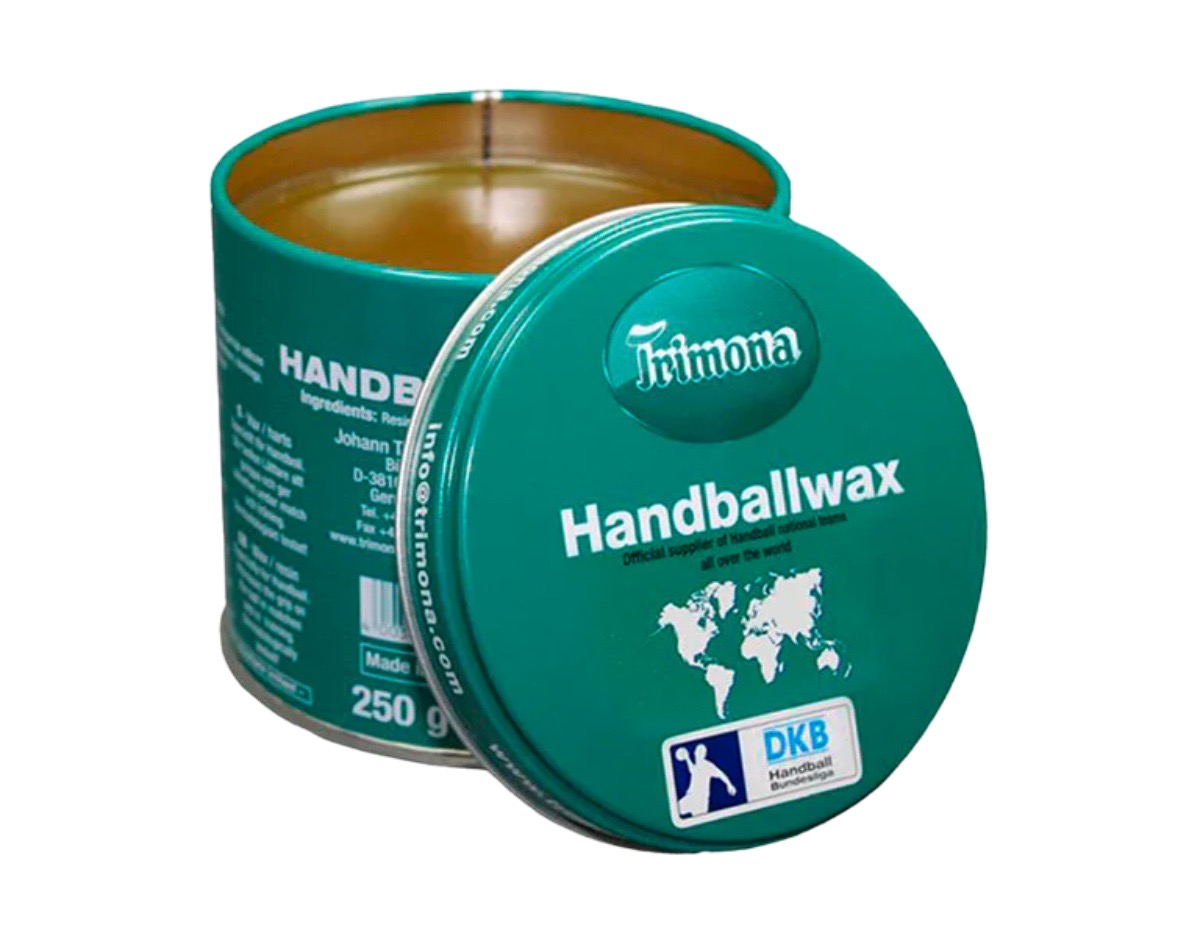
On top of that comes what the manufacturers themselves already acknowledge: resin damages the parquet, especially in halls shared with futsal or basketball, creates a recurring maintenance cost and is outright banned in a growing number of facilities. Defending resin today is defending a maintenance problem and an added risk factor in exchange for a sentimental tradition.
The ball already solves it
The interesting thing is that the industry stopped debating this long ago. Molten markets its D60 PRO line and its RESINFREE balls with an outer surface that absorbs the sweat from the hand instead of slipping on it, a thicker, softer cover that lets the fingers sink slightly into the material, and a structure of 60 triangular panels with grooves that multiply the contact points between palm and ball.
It is not a second-rate training ball: the D60 PRO was the official ball of the IHF Women's Youth (U18) World Championship in 2022. That is, it has already been validated in the top competition of its category without any player needing resin to throw accurately.
Select follows the same path with its Ultimate EHF Champions League line, designed to give grip "with and without resin", acknowledging in effect that performance no longer depends on the tub of glue in the stands.
What basketball teaches us
Here is the comparison that really matters. In basketball nobody plays with resin, and nobody would think of proposing it. The ball solves grip by itself, with composite leather and a pebbling (the raised embossing of the surface) that multiplies the friction points with the palm even with a sweaty hand. And we are talking about a size 7 ball, 75 to 78 centimetres in circumference and between 600 and 650 grams: bigger and heavier than any handball.
The men's senior handball (IHF size 3) measures between 58 and 60 centimetres and weighs between 425 and 475 grams. The women's (size 2), between 54 and 56 centimetres and 325 to 375 grams. They are smaller, lighter balls with less available grip surface than a basketball. If basketball has solved grip through materials engineering with a bigger ball and no head start, there is no technical excuse for handball to keep depending on a product external to the ball. If anything, the argument works against resin: less contact surface demands better design of that surface, not a sticky patch on the outside.
My conclusion
No to resin. Yes to demanding that every ball approved for official competition pass a certified standard for coefficient of friction, dry and with simulated sweat, just as circumference and weight are already required. The IHF and the national federations have the responsibility to turn that requirement into regulation, not to leave it in the hands of each manufacturer's marketing.
Until that happens formally, every club and every player already has the option of solving the problem on their own: change the ball rather than keep soaking the parquet. Grip technology has stopped being a catalogue promise. It is a ball that already exists, is already approved and has already been used to play a World Championship.
